The ranch wakes up sluggish. The geldings blink away sleep as the sunlight removes the hedgerow, a red hen scrapes at the crushed rock by the entrance, and breath ghosts in soft white puffs as the initial trendy air of the morning satisfies cozy muzzles. I like to begin my sessions at this hour due to the fact that the whole location moves at the rate a nervous system can rely on. By the time a participant arrives, the equines have actually inspected one another, discovered their morning hay, and worked out right into the quiet rhythm that makes the following action, stepping into the body, feel possible.
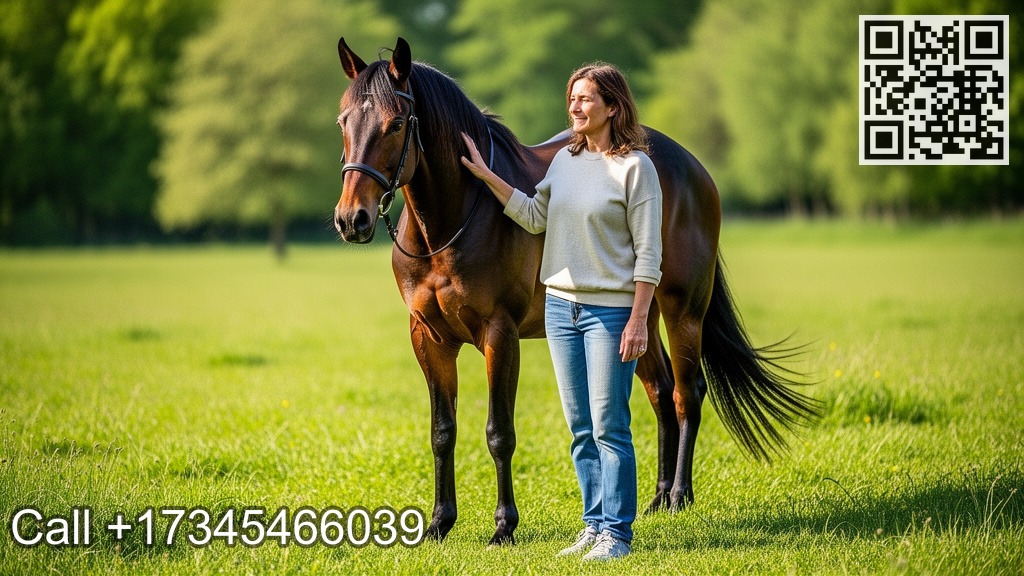
Horses tune to their herd and to their environment with a degree of level of sensitivity we commonly ignore. That sensitivity is specifically what makes them effective partners in somatic healing. When we match clear borders, functional horsemanship, and nervous-system proficiency with that said sensitivity, the barn becomes a class for the body, not simply the mind.
Why equines aid the body find out safety
Somatic healing with horses rests on a basic truth: a steed reflects tension, existence, and purpose. Steeds are target animals. Their survival relies on reviewing the world with their entire bodies. View a mare grazing with a foal and you will certainly see her ears flip back and forth, her ribs broaden in slow-moving cycles, her tail swish in time with tiny shifts around her. Wait a gelding that trust funds you and you will feel your very own breath grow to match his.
Physiologically, the rhythms around a tranquil horse urge slower breath and lower muscular tissue tone. Research studies on heart rate variability in equine-assisted solutions suggest that when participants exercise systematic breathing near or with a controlled equine, they can see shifts toward parasympathetic prominence, the part of the nervous system that deals with remainder and food digestion. I have actually viewed a teen's limited shoulders ease an inch within three minutes of merely rubbing a cozy neck and matching the equine's exhale. No lecture can have created that feedback as quickly.
Unlike a talk-based session where words can mask or justify, equine-facilitated wellness stays in the noticeable present. If you hold your breath while asking a horse to walk with you, your timing will certainly be off. If you march ahead without observing his hesitation, he will certainly stop. There is no scolding, just instant comments from a thousand-pound co-facilitator that can not be tricked by courteous conversation.
From hummed and braced to grounded
A regular mid-day with a new participant usually begins at the gate. Individuals get here humming. Phones still in hand, shoulders slightly hunched, eyes changing swiftly. Equines do not judge that state, they merely respond to it. The majority of the time our most grounded mare will certainly select to stand near the individual that is most dysregulated. That choice alone can soften the minute. The body finds out that distance without need is possible. The session then ends up being a method in shared law, initially at a range, then with touch, after that in movement.
Somatic healing with horses looks average from the exterior. We brush, we lead, we practice stillness and movement. But the intent is accurate. If someone is supported with their spinal column, we choose a grooming stroke that urges lateral weight changes. If anxious thoughts rotate like a fan, we count brushes down the mane in matched pairs to support attention in the detects. If an individual dissociates, we return to scent, structure, and warmth. The steed's feedbacks inform us whether we are aiding or pressing as well far.
The job is not always silent. I have actually seen a draft cross raise his head the 2nd a customer remembered a hard memory, supplying a time out long enough for the person to notice their breath had actually quit. That was our opportunity to reduce the minute, to welcome a shoulder roll, to put a hand on the steed's withers and obtain his steadiness. The customer did not need to retell their tale. Their nerve system did the learning in actual time.
Safety, approval, and why pacing matters
We never shortcut security, not with horses and not with human bodies. Trauma, persistent stress and anxiety, autism range differences, ADHD, and sensory handling challenges all change just how a person views hazard and how quickly they can move state. The equine has a say, the human has a say, and the facilitator establishes the frame. Authorization is not a single question. It is a thread that goes through every interaction.
There are days when we never ever step into an arena. A customer might rest on a bench outside the fencing, match the rhythm of a grazing steed, and spend the whole hour allowing their eyes practice soft emphasis. That counts. There are other days when we exercise leading over a post, where the genuine task is holding a limit with a gentle hand. There are quick retreats too. When a gelding flares a nostril at a gust of wind, we step back and wait. The message to the nerves repeatedly is that we can attune, determine, move, and rest without force.
Horses supply nonjudgmental immediacy, but they are not devices. They are companions. Ethical therapeutic horsemanship programs are structured to keep horses psychologically well: differed turnout, forage, social time, and work that matches personality. I prefer to terminate a session than ask a weary horse to lug the psychological weight of a human day.
Who benefits, and just how we customize the work
People usually ask who this work is for. I have actually quit trying to place it into a tidy box. Instead, I describe patterns I see and the modifications we make.
For generalized anxiety, the barn provides an external rhythm that the body can borrow. Anxiousness assistance with equines commonly begins with tranquility on the other side of a fence, after that transfers to basic, repeatable jobs: haltering, leading, quiting, and backing. The predictability assists call down what-if loops. We call inner feelings as they show up, but not to repair them. The task offers the body something useful to do, and the equine reflects back calmer timing when it appears.
For ADHD, specifically in children and teens, interest discovers a convenient target. ADHD equine discovering support works well since the horse is fascinating but not overstimulating if the session is set up right. We use brief arcs of task, five to eight mins, separated by clear transitions. The grooming process becomes a series to practice working memory. Ground posts end up being a training course for preparation and alteration. The comments is immediate and non-shaming. If an individual rushes, the steed lags. If the individual stops briefly and breathes, the horse suits. That cause and effect is gold for executive function.
For autism, I look closely at sensory demands before any straight get in touch with. An autism equine discovering program ought to supply peaceful areas, clear regimens, and choices. One young client prevented touch initially. We started with mirroring video games with the fence. He viewed a pony shift weight from left to right, after that tried it himself. When he picked to tip more detailed weeks later on, he did so with a sense of company, not pressure. The pony's stable blink and slow chewing became supports. We never ever pushed eye get in touch with. We allowed rhythm and closeness do the work.
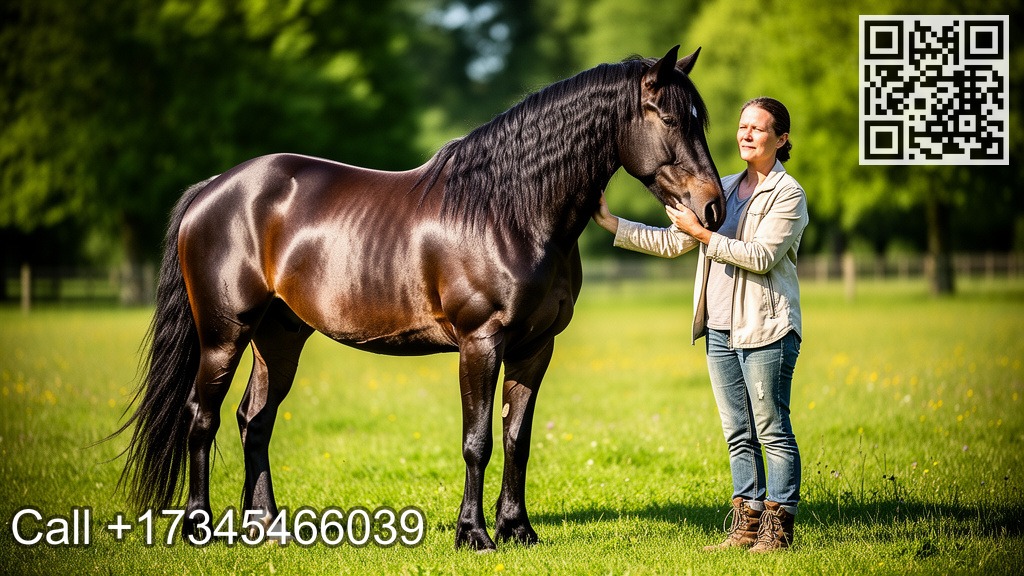
For sensory processing challenges, horses are both stimulation and regulatory authority. Alternate therapy for sensory difficulties can suggest brushing with a soft brush initially, after that attempting curries with stronger pressure as endured. We regulate audio by choosing peaceful times of day. The pasture uses wind, sun on skin, and the earthy odor of hay, all of which can be titrated to match the individual. I lug ear defenders and weighted lap pads alongside halters and hoof picks.
For grownups lugging trauma or fatigue, the equine commonly gives the initial uncomplicated relational experience in years. Equine-facilitated training with experts seems elegant, yet the core is simple: pause, feeling, pick, act, and notification. A manager who can not entrust might try to micromanage a steed. The steed responds with confusion or rejection. We exercise stepping back, setting a more clear objective, and asking with less effort. That lesson usually walks directly back right into the office the next morning. Team building with horses takes this further, shifting the focus to team duties, power management, and interaction that lands.
What we actually do: a field-tested template
If you shadowed me for a week, you would certainly see the exact same bones under different skins. Procedure run 50 to 75 mins. The initial 10 usually happen outside the gate. The following 15 to 30 are hands on. The final segment transitions to assimilation. We leave time to return a steed to field well prior to the hour finishes. Rushing the last 5 minutes deteriorates whatever we built.
Here is how a very first browse through generally unravels on the ranch:
- Arrive, walk the fencing line together, and orient to the area, calling sensory anchors like wind instructions, footing, and close-by sounds. Meet the steeds at liberty from outside the fencing, observing which horses come close to and which select range, then determine whether to tip in. Practice touch with permission, starting at the shoulder, after that groom in lengthy strokes paired with breath, moving to leading if both horse and human are ready. Close with 2 mins of serenity, hands on the fence or resting on a perish, after that a simple representation of one body cue that changed.
By the 3rd session, we weave in problem-solving: a short barrier program, a limit exercise at a cone, or a practice of stopping and backing with simply a breath and a change of weight. We record one or two somatic abilities per session, like broadening your stance before a request or exhaling through your mouth when you feel your upper body tighten.
The silent science underneath the hay
While the barn instructs finest in hoofbeats and breath, the physiology behind this job matters. Matching breath cadence to a steed's all-natural respiratory system rhythm, generally in between 8 and 16 breaths per minute at rest, pushes the body toward a comparable array. That shift often enhances heart price irregularity, a pen of durability. You can see it on a finger pulse oximeter or a simple heart rate monitor if you desire information to pair with experience.
Pressure and activity feed the body's proprioceptive and vestibular systems. When you lean a forearm along an equine's shoulder, you obtain deep stress that assists downshift arousal. When you lead over posts and regulate stride size, your inner ear involves. These feelings commonly do greater than a collection of directions to "relax." They give the nerve system a work it understands.
Animals likewise provide clear social signs without the intricacy of language. Horses use angles, distance, and timing even more than articulation. When you learn to turn your stomach button away as opposed to tug at a lead rope, a horse reads that and actions with you. Your body learns that refined, coherent signals are more effective than force. That lesson generalizes, whether you are parenting, managing a group, or trying to set a border with a friend.
Stories from the rail
One mid-day, a secondary school elderly gotten here after a week of tests. She carried tension like a knapsack full of rocks. We did not bridegroom. We stood inside the pasture at a respectful distance from a bay mare called Juniper. For 10 mins, my client tracked Juniper's breath. Nose flares, tummy motion, tail swish, time out. After that she noticed her own breath start to match. When a loud vehicle rattled past, the mare raised her head. My customer's shoulders tightened up. Juniper snapped an ear, then dropped her head to forage once again. My client let out a breath she did not know she was holding. The following day she told me she utilized that precise sequence outside her chemistry last, and her hands did not drink when she got her pencil.
A seven-year-old on the autism spectrum pertained to the ranch with a tough love of pets and an anxiety of uncertain touch. We invested our very first sessions parallel, him stacking tiny cones while among our horses, Clover, slept near the fencing. The kid hummed. Clover took a breath. After three weeks, he asked to clean. We began with the softest brush and quit every thirty secs to check in. By the end, he could endure the balanced pressure of a curry on Clover's shoulder. His mother later on discovered he looked for deep pressure hugs at home for the first time in months.
A group of five instructors went to for equine-assisted mentoring after a harsh term. Stress had constructed around roles and communication. We established an activity with two equines and a straightforward objective: relocate both steeds via a set of poles without halters. They had to rely on timing, power, and body position. Within five minutes, the group's habitual patterns showed up. A single person took over, 2 took out, one moderated, and one attempted to joke away the discomfort. We stopped briefly, called what we saw, and attempted once again with new intentions. In the debrief, one teacher said, I understood I never really let my colleagues finish a thought. The steeds would stagnate till I did. Back at college, the team reported less disturbances and even more clear asks. Often the field provides you a mirror sharper than any kind of conference room can.
Skills that stick long after you clean the dust off your boots
The purpose is not to produce riders, unless riding belongs to your strategy. The purpose is symbolized finding out that follows you home. Clients commonly report that their rest enhances session days. Moms and dads see fewer meltdowns after a grooming routine ends up being a before-bed ritual with a family pet. Specialists carry a breath cue they practiced at the cone right into the boardroom and request for https://raymondfiku332.timeforchangecounselling.com/sensory-smart-saddles-alternative-therapy-for-sensory-difficulties a time out prior to making a huge decision.
Equine-assisted tasks are sly instructors. Haltering asks you to make clean call, then release. Leading shows pacing and spatial awareness. Stalling together develops resistance for dullness, which is really nerves remainder, a state many people mistake for threat in the beginning. These micro-skills add up to better self-regulation and clearer communication.
Choosing a program, inquiries worth asking
This field uses overlapping terms: therapeutic horsemanship, equine-assisted services, equine-facilitated wellness, equine-facilitated mentoring. Labels matter less than fit and security. Ask about the steeds' living problems, staff credentials, and how authorization is taken care of. Instructors in restorative horsemanship commonly carry certifications that cover flexible equipment and security for riders with physical requirements. Experts concentrated on somatic job might have training in trauma-informed care and body-based therapies. The pleasant spot for several customers is a group that integrates both.
An excellent program will certainly welcome your inquiries and set a clear strategy with measurable goals. Be wary of anyone that promises fast improvement. Change tends to move like a steed on a gusty day, in little arcs, not straight lines. It is regular to see ups and downs, specifically when sessions surface patterns that have actually been running on autopilot.
Caring for the equines who look after us
I am typically asked how equines really feel about this work. My solution is watch them. A horse who picks eviction when the car draws in, that chews softly and drops his head when an individual touches his shoulder, who goes back to forage without stressing after a session, is informing you the work fits him. On our ranch, we rotate horses so nobody carries way too much. We factor in age, sturdiness, and personality. The equines obtain days off, long turnover, forage before them for most of the day, and veterinary and hoof care on a routine, not in crisis.
The ranch itself matters as well. A smashed rock course lowers mud so wheelchairs and pedestrians can get to the field. Shade and wind breaks secure sensitive bodies. We maintain sessions short in extreme heat. We maintain a stocked emergency treatment kit that consists of human and equine materials, and we train for emergency situations, then hope to never require that training. This groundwork is not glamorous. It makes all the difference.
Limitations and truthful edges
Equine job is not a cure-all. For serious acute psychological dilemmas or energetic material withdrawal, a professional setup comes first. Individuals with considerable hatreds dander or hay might find it unpleasant to be on the ranch, though we can mitigate with outdoor-only sessions and masks. Phobias of huge pets need gentler on-ramps, sometimes months of at-distance work.
It is also not cheap. Taking care of steeds well costs cash. Numerous programs counter with scholarships, gliding scales, or collaborations with schools and clinics, however accessibility remains a challenge. If cost is an obstacle, try to find area barns that offer experiential understanding with steeds via schools or nonprofits. Sometimes a collection of 4 sessions, timed with treatment, yields more enduring modification than a regular tempo you can not afford long term.
Getting started, and what to bring
The ideal time to begin is when you can provide your nerve system consent to reduce for an hour and a half door to door. Strategy to get here 10 minutes early, with time to let your eyes get used to the wider horizon of the field. Gown for the weather condition. Leave space in your strategy to do nothing later. Assimilation occurs in the quiet.
A brief list aids first brows through run efficiently:
- Closed-toe shoes with good walk, preferably boots if you have actually them Layers you can add or remove, and a hat for sunlight or drizzle A canteen and a small snack for after the session Any sensory supports you make use of, such as ear protectors or fidgets A notebook or phone readied to plane mode for writing one takeaway
The steady present of hooves on dirt
What sticks with me besides these years is not a single breakthrough, however the build-up of small, body-level discoverings that transform a life's appearance. A female who once clenched her jaw at every request currently exhales before she talks. A young boy who flinched at surprise touch now looks for sluggish pressure on his lower arms. An educator who rushed from bell to bell currently leaves 2 minutes at the end of class for everyone to breathe with each other. The horses did not juggle. They used rhythm, responses, and heat in a manner humans could accept.
Somatic healing with steeds is less a technique than a partnership with nature's most sincere mirrors. On a farm where horses live like steeds and individuals are invited to live in their bodies once again, hooves and hearts established a tempo that nerve systems recognize as home. You do not need to know the appropriate words. You do not have to ride. You do not need to be calm when you arrive. You just need to turn up, notice, and allow your body technique safety and security among an animal who understands it by instinct.
That is the ground we depend on right here. Fresh hay. Soft nickers. The sort of silence that is complete, not empty. And the stable gift of a horse's breath fluctuating alongside your own.