A damp spring morning, a mare named Juniper, and a woman in an intense yellow raincoat who might not quit speaking. Sara had just left a high-pressure work without a new plan, and her thoughts moved like a pot left to boil as well long. She kept her distance from Juniper while informing me she wished to feel stable and crucial. Juniper flipped her ear, stepped away, and began grazing near a fencing line. After a couple of minutes, Sara dropped silent. She discovered the gap in between them and whispered, That's precisely what my decisions do. They keep ignoring me. By the end of the hour, her voice had actually slowed down and her shoulders dropped. She found out to match her breath to the mare's rib cage, after that tried a brand-new approach: less words, more clear intention, slower feet. Juniper lifted her head and walked over. That micro-moment did not address Sara's job, however it provided her a bodily memory of exactly how clearness feels. 2 months later, she utilized that experience to navigate 3 hard conversations and approve a duty that matched her values.
Equine-assisted mentoring functions like that. Not wonderful, not magical, and certainly not regarding riding off right into the sundown. It is practical, personified finding out with a delicate herd. The steeds show what you bring, you readjust in genuine time, and the lesson sticks because your whole nerve system participates.
What equine-assisted training is, and what it is not
Across barns and programs you will certainly listen to different names: equine-assisted solutions, equine-assisted training, equine-facilitated coaching, therapeutic horsemanship, equine-assisted tasks, equine-facilitated health. The vocabulary can be complex, so here is the gist I utilize on the farm.
Equine-assisted coaching focuses on personal development, leadership, and life shifts. It is goal oriented and generally does not detect or treat mental illness. Procedure are most often on the ground, without any riding, and can offer individuals, pairs, families, and work groups. Workouts emphasize interaction, limits, self-regulation, and decision-making. My mentoring days include tasks like leading a horse free, navigating a barrier training course, or co-creating a boundary strategy the horse will certainly accept.
Therapeutic horsemanship generally indicates mentor horsemanship skills in a manner adjusted to a participant's demands. It might include grooming, leading, or riding with support. The aim is ability structure, confidence, and pleasure. An autism equine learning program, as an example, could utilize consistent patterns, visual timetables, and peaceful horses to create success in short, repeatable steps. ADHD equine finding out support might weave in short, high-interest jobs and clear transitions to harness power as opposed to dealing with it.
Equine-assisted tasks is a broad umbrella. It can include installed or unmounted experiences, social abilities groups, group building with horses, and health days. Think of it as arranged time with horses that has an objective, a strategy, and a safety and security framework.
If a psychological health and wellness diagnosis is key, then a licensed medical professional must lead or co-lead. That is equine-assisted therapy. Instructors like me frequently partner with therapists for stress and anxiety support with equines when signs and symptoms are high, or we refer out if the range falls outside mentoring. Clear borders maintain customers and horses safe.
Why horses aid when life transforms a corner
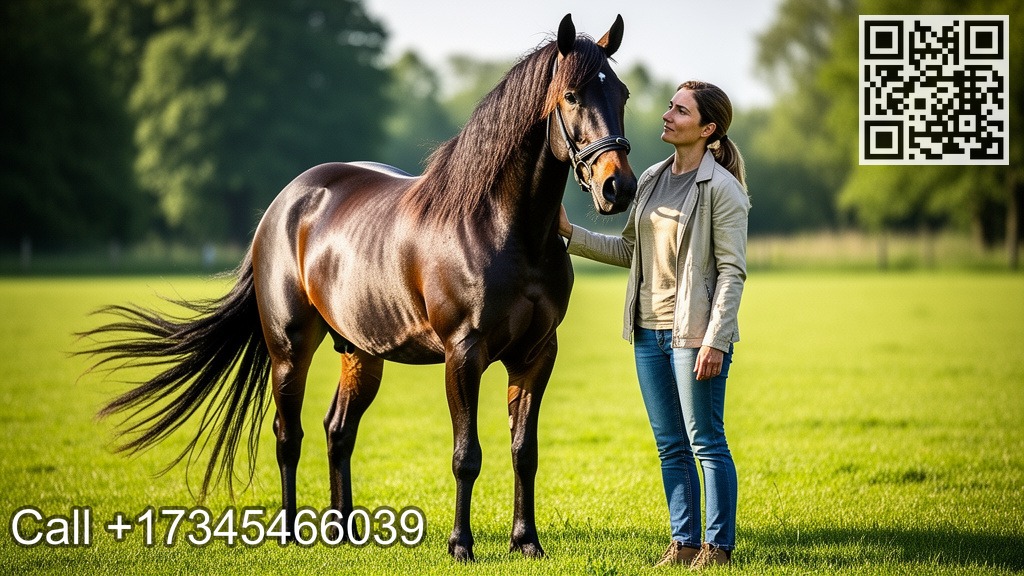
Horses are target animals with a nervous system tuned to nuance. They check out intent and physiology much faster than words can carry. A half breath held too long, a micro-tension in your shoulder, a look that does not match your position, and the steed will certainly respond. That instantaneous biofeedback can be uncomfortable at first, then surprisingly liberating. You can not appeal a thousand-pound animal with a pitch. You have to get coinciding, and when you do, doors open.
Congruence is the secret sauce. If you claim you are calm while your body screams hurry, many people will certainly accept words and ignore the signal. Horses do the contrary. They follow the signal. When your internal state and your exterior actions align, the steed unwinds. That minute shows your body what placement seems like. With time, this becomes portable. Customers report making use of that experience before work interviews, court dates, fertility visits, and retired https://jareddmmq734.theburnward.com/cultivating-security-belonging-based-mentoring-in-a-supportive-farm-area life parties.
Somatic recovery with steeds issues below. The job invites the autonomic nervous system to practice shifting states in a risk-free means. Grooming a soft wintertime coat, really feeling the weight of the unguis in your hand, listening to a horse sigh and eat, these inputs assist the body notification safety and security. For stress and anxiety, panic, or despair, that sensory splendor can secure interest better than a chair and 4 white walls. I am not declaring equines change treatment. Think about equine-facilitated wellness as an enhancement to a more comprehensive treatment strategy, especially throughout transitions that strain the system.
A typical session, without the gloss
Barn days are sensible. Mud happens, climate changes, and a steed might choose a tarp is a dragon. We intend, we adapt, and we keep the job deliberate. A very first session often appears like this:
- Safety and orientation. We evaluate borders for human beings and horses, fit safety helmets if needed, and walk the border with each other so the area really feels familiar. Establish the objective. I ask what you intend to walk away with today, except life, just this hour. Ground technique. Simple breath and stance job to find neutral. We may match breath with a steed over the fencing or in a shared area if it is safe. Experiential learning with horses. We established a task linked to your objective. The equine offers comments and we change in the moment. Debrief. We collect what worked, what did not, and equate it into 1 or 2 experiments you can attempt at home or work.
Most sessions run 60 to 90 mins. Many customers publication a 6 to 10 session arc connected to a certain change. For instance, a family navigating an action might come every other week for three months. A team entering a merger may reserve a someday intensive, then a follow-up 2 months later.
Coaching with the mess of actual transitions
Not every adjustment is a tidy line in between previously and after. Jobs discolor, caregiving ramps up, marital relationships change form, or a diagnosis gets here on a regular Thursday. Steeds do not need clean stories to comply. They need quality and fair management. That makes them suitable partners in minutes when you lead with uncertainty.
Career rotates. A software supervisor called Eliot brought out his team for a half-day of group structure with horses, after that returned for three 1:1 sessions. He had a tendency to over-explain, wishing to gain buy-in. With the gelding, that pattern caused confusion and a great deal of chewing on the lead rope. The training hint was easy: less words, more clear instructions, even more time for the equine to react. Eliot lugged that pattern into human meetings. He trimmed his speaking factors, established specific stops briefly, and waited the additional 3 seconds that made use of to feel like an eternity. His records began progression without motivates, and he realized he had actually been smothering initiative with great intentions.
Divorce and co-parenting. A mommy of 2 wanted to exercise boundaries without feeling cruel. In the round pen, she set a cone circle as a silent zone. The mare kept pressing in with her shoulder, then nuzzling pockets for treats. We formed a feedback that was clean and consistent: step into your area, lift your hand with an open hand, and redirect the mare's feet prior to the nuzzle developed into a push. The mom claimed, I can do that with my ex. Action in earlier, small hint, not a lecture. She entrusted to a concrete prepare for handoffs and a body memory of what respectful area felt like.
Grief. A retired firemen followed shedding a pal. He did not intend to talk. We raked a brand-new course in the field and led a quiet gelding called Boone down that line over and over. Halfway with, the man quit, pushed his forehead to Boone's neck, and allow 2 rips fall. Nobody rushed him, not also the horse. When words came, they were short, which sufficed. He began strolling once again. The following week he brought his boots instead of tennis shoes, a sign he was willing to stand in much heavier ground.
Graduation and early the adult years. For young adults on the range who are stepping into university or job, an autism equine learning program can set patterns that lower bewilder. Predictability, visual signs, and repetition are your buddies. We use a whiteboard with 3 icons: welcome, bridegroom, lead. Each has a color and a symbol. The trainee checks off steps and forecasts the next. Community service is ingrained: taking turns at the mounting block staircases, reviewing a steed's signals, and insisting needs clearly. The result is not simply steed skill, it is a rehearsed series the trainee can put on dorm check-in or first-day onboarding.
The scientific research is growing, the barn knowledge is steady
Research on equine-assisted solutions is promising, though still creating. Numerous tiny randomized and quasi-experimental research studies recommend decreases in stress and anxiety and improvements in self-efficacy and social functioning after programs that involved structured time with horses. Taste dimensions are usually moderate and methods differ, so we have to take care concerning brushing up insurance claims. What I rely on most is a mix of evidence, transparent restrictions, and the lived consistency of end results in time. Customers report much better sleep the evening after sessions, less debates that draw out, quicker recovery from stress and anxiety spikes, and a more clear sense of what no seems like. Those are quantifiable in journals and with comments from family members and teams.
Safety, ethics, and range maintain everybody whole
An excellent barn looks tranquil due to the fact that a great deal of quiet work happened before you appeared. Horses in coaching programs need steady characters and clear routines. We revolve pasture friends meticulously, maintain regular feeding times, and limitation session hours so an equine does not function too long. Weather matters. In high heat or lightning, we delay or relocate to low-intensity activities under cover. Participants put on closed-toe footwear, and headgears are readily available and urged, especially for mounted healing horsemanship or when a client is brand-new and unforeseeable around movement.
Boundaries around range are non-negotiable. Equine-assisted training is not psychotherapy unless a certified medical professional is giving treatment. I coordinate with specialists, physicians, or physical therapists when a customer is currently working on anxiousness, sensory assimilation, or injury. For alternate treatment for sensory obstacles, I stress that steeds are an enhance, not a replacement, and that moms and dads should consult their child's care group before signing up. If someone divulges energetic self-harm strategies or risky living problems, we stop briefly and attach to crisis resources. The herd can hold a lot, yet it needs to not carry what belongs in clinical care.
Designing programs that actually fit humans
Good programs fit the person, not the other way around. For ADHD equine learning assistance, sessions have a tendency to be quick and segmented. We weave movement with structure, like 3 mins of grooming followed by a quick pattern video game, after that a water break with a clear following step. The tone remains positive, and we celebrate tiny success, such as seeing when a steed shifts weight and responding without being asked. We utilize timers, tinted cones, and often songs to mark shifts. By transporting power into focused jobs, we sustain impulse control without turning the session right into a scolding hour.
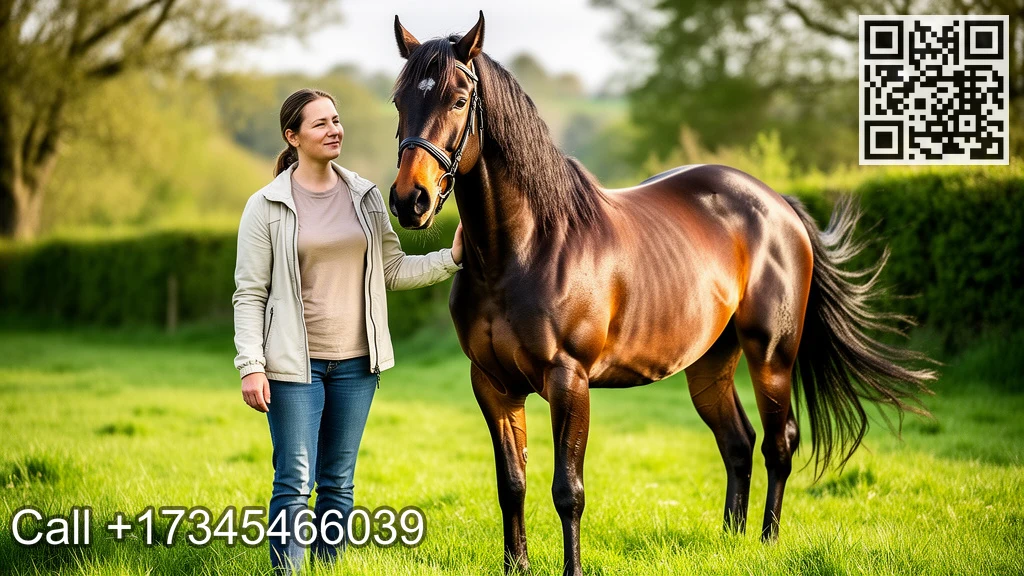
For stress and anxiety assistance with horses, the rate is slower. We start outside the fence if that feels much better, matching breath and observing herd rhythms. Touch is optional and authorization based, for both human and equine. When the customer is ready, we add a tiny demand, like inviting a steed to take one go back with a gentle purpose via the lead rope. Exercising a clear ask and getting a clear response decreases cognitive tons and builds confidence. If panic signs arise, we have exit paths intended and a basic protocol: take a look around, name colors, plant feet, take a breath reduced, orient to seem. The purpose is to leave individuals feeling resourced, not wrung out.
An autism equine discovering program threads predictability through each session and constructs in silent area for regulation. The atmosphere matters as much as the curriculum. We limit visual clutter near the sector, usage consistent verbiage, and give sensory tools like weighted grooming mitts or noise-dampening earmuffs. Some participants function best with miniature steeds initially, or with the horse behind a fencing till trust fund builds. Success is not gauged by riding or by distance, but by regulated interaction and transferable abilities, such as launching a welcoming or tolerating a gentle modification in plan.
What development resembles and how we track it
I ask clients to specify development in concrete terms, after that we track in small bites. For a moms and dad navigating divorce, it could be 3 consecutive handoffs without any increased voices. For a manager, maybe running a standup that upright time with two less follow-up e-mails. For a young adult with sensory sensitivities, possibly it is attending a complete 60 minute session without leaving the field to regroup. We utilize pre- and post-session check-ins that request for a number from 1 to 10 on tension and clearness. Over 6 to eight weeks, many individuals see their baseline shift down a point or two on anxiety and up a factor on clarity. Not each week is smooth. The equine could call you on an unseen area, and your score bumps up. That dip is data, not failing, and typically forecasts a long lasting gain the following time.
Team structure with horses that does more than make individuals laugh
I like a great laugh as high as any person, and steeds create lots of them. Still, group days must not be costly icebreakers. They need to take on patterns that matter. A timeless exercise asks a small group to guide a steed via a collection of challenges without touching the equine. Just one person can speak. The group strategies, assigns roles, and tries. Generally, we see who leads from the back, that over-functions, who disappears when unpredictable, and that steps in with a well-timed question that conserves the plan. We debrief with interest, not blame. After that we run the exact same program with a restraint turned, probably no one may talk however two can make use of a line. The learning is not about horses. It is about how the team takes care of constraint and uncertainty. The barn backdrop maintains people truthful and grounded. When the horse refuses a frightening bridge, the team has to change leadership and strategy in genuine time. Those modifications convert directly to item launches and cross-department projects.
Getting all set for your first visit
Barns work best when participants show up prepared. Use layers you can move in, closed-toe footwear, and sun defense. Leave fragrances in your home. Consume a snack, also if nerves tug at your hunger. If you hesitate of equines, state so on the consumption. We can start behind a fence, work with a tranquil horse, or begin with empirical tasks. Allergic reactions and mobility problems are not deal breakers. Numerous exercises can be adapted chair-side, and some barns have installing ramps and enclosed sectors for convenience. If your period of life is chaotic, that is fine. Bring the turmoil. We will certainly deficient tidy. We will certainly make it workable.
Choosing a quality program or coach
Here is an easy list I share when people ask exactly how to veterinarian a company:
- Ask regarding extent. Do they offer equine-assisted mentoring, restorative horsemanship, or treatment, and exactly how do they define each? Look for security systems. Headgears available, emergency situation strategies posted, and equines with appropriate temperaments. Check credentials and collaborations. Coaching or medical training, plus cooperation with mental wellness or physical therapists when relevant. Request a sample session plan. It ought to link tasks to your specified goals, not a one-size-fits-all script. Observe steed well-being. Tidy water, well balanced workloads, time off, and horses that look really comfortable with people.
Costs, logistics, and the genuine constraints
Rates differ extensively by area and facility. In numerous locations, private coaching runs 90 to 175 dollars per hour, with group programs valued by half or complete day. Scholarships and gliding ranges exist, typically moneyed by area gives or donor support, but they load rapidly. Team courses, such as confidence clinics or family sessions, can decrease prices each. I encourage individuals to invest in a specified arc instead of drop-in brows through when browsing a significant shift. 6 sessions over 3 months provides your nervous system sufficient repeating to inscribe brand-new patterns. Weather may require rescheduling. We build versatility into schedules so a storm does not thwart your momentum.
Edge instances and honest limits
Some folks do not click with horses, which is all right. If you leave a lot more stressful than you arrived after three sessions, I suggest switching over modalities. Allergies can be taken care of with preparation, yet if you need an EpiPen for hay exposure, a barn might not be worth the threat. Individuals with untreated back injuries or equilibrium problems can still do ground work, yet mounted activities could wait. If your fear of huge animals is intense, we may start with small equines and even from outside the fence line with binoculars. I have likewise met customers who come for the place, not the equines. They rest near the field and journal, after that invest 10 minutes at the end greeting to an interested gelding. If that is what offers, that is the work.
Bringing it home
One December after a challenging downsizing at her firm, a customer named Priya appeared in a stable wind. She really felt guilty concerning the cuts and was fearing a January board conference. We established a simple workout: ask an equine to stroll with you free for a brief range in the field. The smaller sized mare disregarded her and mosted likely to the hay. Priya chuckled with a note of anguish. Then she altered something. She chose a line of traveling and dedicated to it with her entire body, glancing back just as soon as to welcome the horse. The mare raised her head and strolled along. Priya practiced that sequence 3 more times, after that listed a variation for the board conference: decide points, established path, invite, do not chase after, hold rate. She sent me a note later that month. Meeting done. Hard, however tidy. Slept well.
That is the heart of equine-facilitated coaching. Tidy, not constantly very easy, and remarkably portable. The herd helps you notice what holds true, practice what works, and lug it forward. If your life remains in motion, or if you want it to be, you are welcome at the fencing line. We can stand together in the wind, breathe with a steed, and allow the next appropriate action disclose itself.